
Top Foot Blister Socks for Travel (Double-Layer Designs)

Introducing Maria, our meticulous planner and talented visual storyteller. She has a knack for discovering those hidden gems, chic boutique spots, and charming little cafes that add a touch of elegance to every journey. With her keen eye for photography and her passion for travel, Maria will transport you to the most enchanting corners of the world, inspiring you to explore new places, one picture-perfect destination at a time.
Looking for blister‑free travel? Embrace double‑layer tech with Wrightsock Explore hiking socks, the Running II crew, and the Run Tab anti‑blisters. OS1st AC4 keeps your foot snug up‑to‑the‑ankle in a single‑zip no‑show style, while racer‑style Runner Tab gives seamless, lightweight cushioning. All mix recycled polyester, nylon, and Lycra to wick sweat, band arch support, and cut friction by up to 70 %. Keep your feet comfy on every trek—and you’ll discover more ways today to walk pain‑free.
Wichtigste Erkenntnisse
- Double‑layer construction with heel‑to‑toe cushioning counters pressure and prevents blisters.
- Reinforced mid‑arch band locks the sock, reducing sliding and friction that cause blisters.
- Seam‑free, breathable knit allows 90 % sweat evaporation, keeping feet dry.
- 8‑15 mmHg compression and a seamless design deliver all‑day comfort while reducing micro‑abrasion.
- Made with ~70 % recycled polyester, saving about two bottles per pair and lowering environmental impact.
Wrightsock Explore Hiking Socks for Men & Women
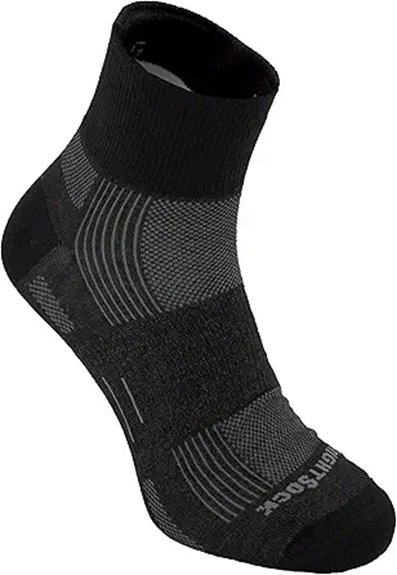
If you’re a trail runner or hiker hunting for blister‑free comfort, the Wrightsock Explore Hiking Socks are a game‑changer. They’re a single‑pair pack of quarter‑length, above‑ankle socks that blend a double‑layer construction to keep your feet stable and dry all day. The inner layer fuses 70% Repreve polyester, 26% nylon, and 4% Lycra, while the outer layer contains 68% Repreve, 24% nylon, and 8% Lycra, offering cushioning from heel to toe and a stabilizer arch that resists slippage. Its moisture‑wicking, breathable fabric keeps you dry whether you trek in heat or cold, and it’s simple—for machine‑wash inside‑out and line‑dry.
Best For: hikers, trail runners, and outdoor enthusiasts who want blister‑free, moisture‑controlled comfort in a durable, eco‑friendly sock.
Pros:
- Blister‑free guarantee with full heel‑to‑toe cushioning for all‑day comfort.
- Double‑layer construction and stabilizer arch keep the sock in place during dynamic activity.
- 100 % REPREVE recycled polyester reduces plastic waste—about two bottles per pair.
Cons:
- Sold as a single‑pair pack, so you’ll need to bulk buy for daily use.
- The thicker, cushioned design may feel heavier for minimalist runners.
- Limited color options compared to other outdoor sock brands.
https://www.amazon.com/dp/B085ZLG2G4
Wrightsock Running II Anti-Blister Crew Socks
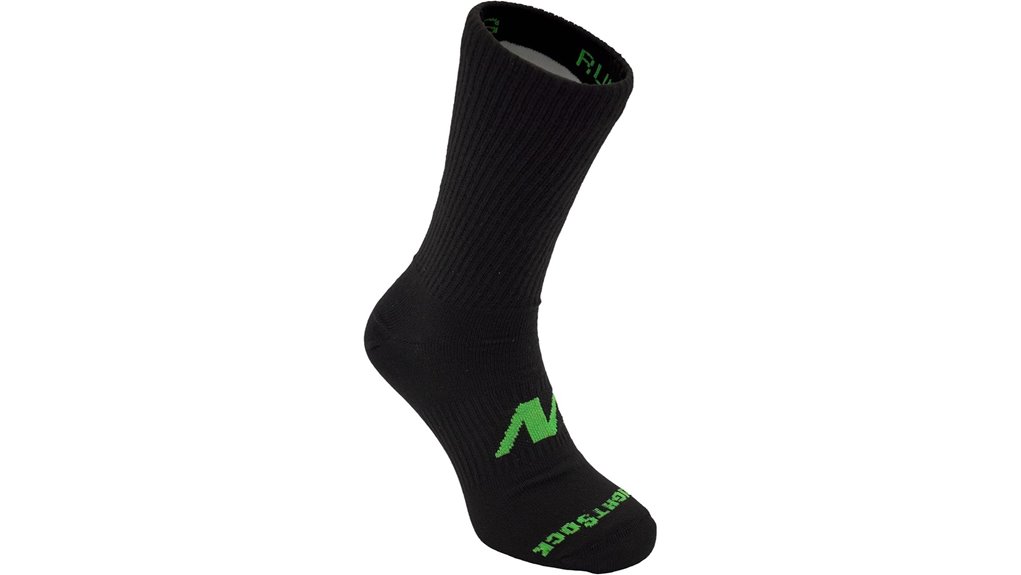
For travelers who spend long hours on foot, the Wrightsock Running II Anti‑Blister Crew Socks keep you blister‑free with a double‑layer design that cuts friction from dawn to dusk. You benefit from their anti‑blister technology—two layers eliminate friction, guaranteeing a blister‑free run. The inner layer blends 70 % recycled polyester, 26 % nylon, and 4 % lycra; the outer layer uses 68 % recycled polyester, 24 % nylon, and 8 % lycra. Moisture‑wicking and breathable, the socks dry quickly, so you can wear them again the next morning. Made in the U.S., they balance durability, support, and all‑day comfort for walking, hiking, and running for tourism.
Best For: avid travelers, long‑distance runners, hikers, and anyone looking to stay blister‑free while on the move.
Pros:
- Double‑layer design eliminates friction for blister prevention.
- Moisture‑wicking, breathable fabric dries quickly for reusable comfort.
- Made in the U.S. with recycled polyester for sustainable performance.
Cons:
- No built‑in arch or compression support for high‑impact runs.
- Limited to crew length; may not suit people preferring ankle‑high socks.
- Not waterproof, so not ideal for wet trail conditions.
https://www.amazon.com/dp/B004L6NRHM
Wrightsock Run Tab Eco-Friendly Anti-Blister Running Socks
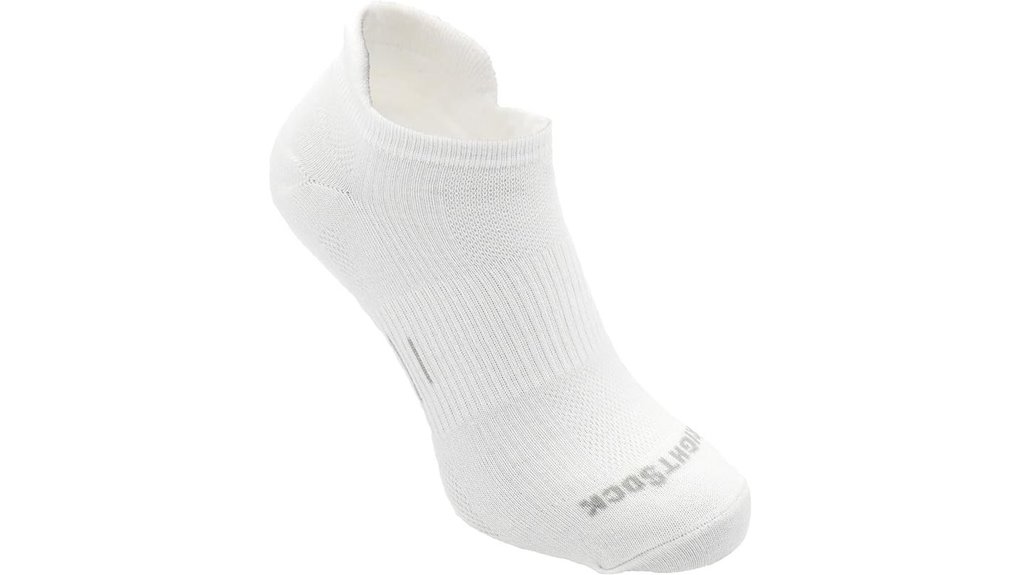
With a double‑layer construction that eliminates friction, the Wrightsock Run Tab socks keep your feet blister‑free on any trail or road.
You’ll love how the inner layer mixes 70 % recycled polyester, 26 % nylon, and 4 % Lycra, while the outer layer mirrors that blend with 8 % Lycra for stretch.
The stabilizer zone in the arch locks your foot, maximizing traction on hard pavement or uneven trails.
Moisture‑wicking, breathable fabric keeps your feet stay dry, whether you’re sprinting in summer heat or running montane paths.
Made in the U.S., these socks use eco‑friendly materials and can be machine‑washed for easy care.
Best For: runners and hikers who need blister‑free comfort on any terrain, whether for trail adventures or road training.
Pros:
- Double‑layer construction eliminates friction, keeping feet blister‑free.
- Moisture‑wicking, breathable fabric keeps feet dry in heat or cold.
- Eco‑friendly materials, machine washable, and U.S. manufactured for responsible sourcing.
Cons:
- Heavier than single‑layer socks, may be bulkier for ultra‑light runners.
- Limited color palette (Galaxy pattern) may not suit every style preference.
- Some users may find the Lycra‑reinforced arch slightly less snug in shoes that require a tighter fit.
https://www.amazon.com/dp/B085ZLT6Z8
OS1st AC4 No-Show Comfort Blister Protection Socks
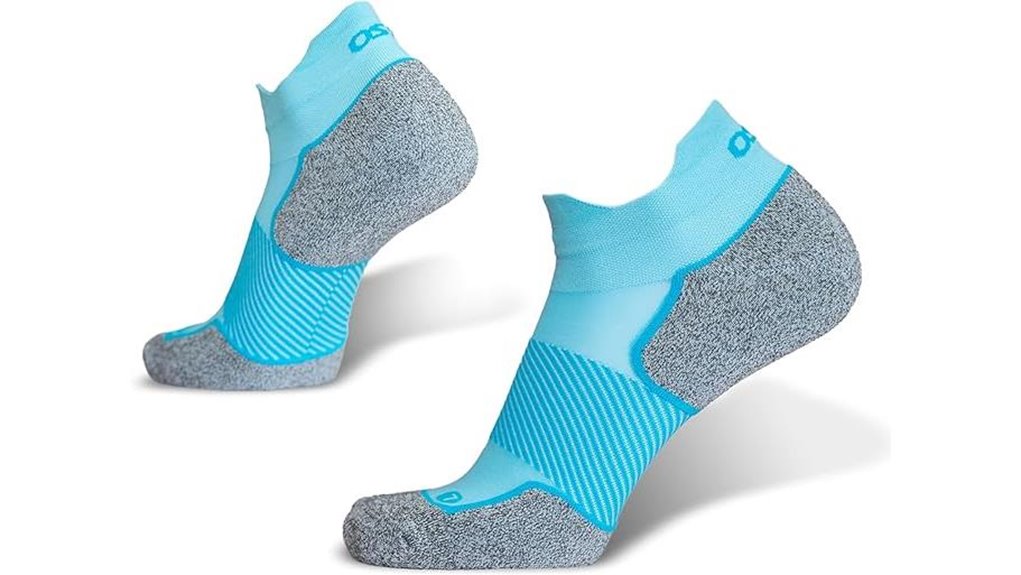
You’re looking for the ultimate travel sock, and the OS1st AC4 No‑Show Comfort Blister Protection Socks hit the mark with 360‑degree blister protection and a double‑tab that keeps the sock from sliding off. Made from a 17 % polyester‑bamboo blend with 4 % lycra and 79 % nylon, the construction breathes and gives you’ll get 360‑degree cushioning. Light compression boosts circulation, while the seamless, non‑binding design prevents chafing during long, durable hikes or daily commutes. A reinforced toe protects sensitive feet and keeps the sock from slipping. Wash gently in cold water and tumble dry low for lasting, amazing softness. Enjoy trip‑ready comfort.
Best For: travelers, hikers, or commuters who need breathable, blister‑free, and secure socks for long days on their feet.
Pros:
- 360° blister protection and reinforced toe guard keep feet comfortable on any terrain.
- Double‑tab design prevents slipping, ideal for long walks or flights.
- Light compression boosts circulation without the bulk of traditional compression socks.
Cons:
- Lack of arch support may feel flat for people with high arches.
- Requires gentle washing and low‑heat tumble dry— not suited for heavy‑wear use.
- Seamless design may still cause chafing for sensitive feet under vigorous movement.
https://www.amazon.com/dp/B09422GJ9C
Wrightsock Racer Tab Eco-Friendly Running Socks
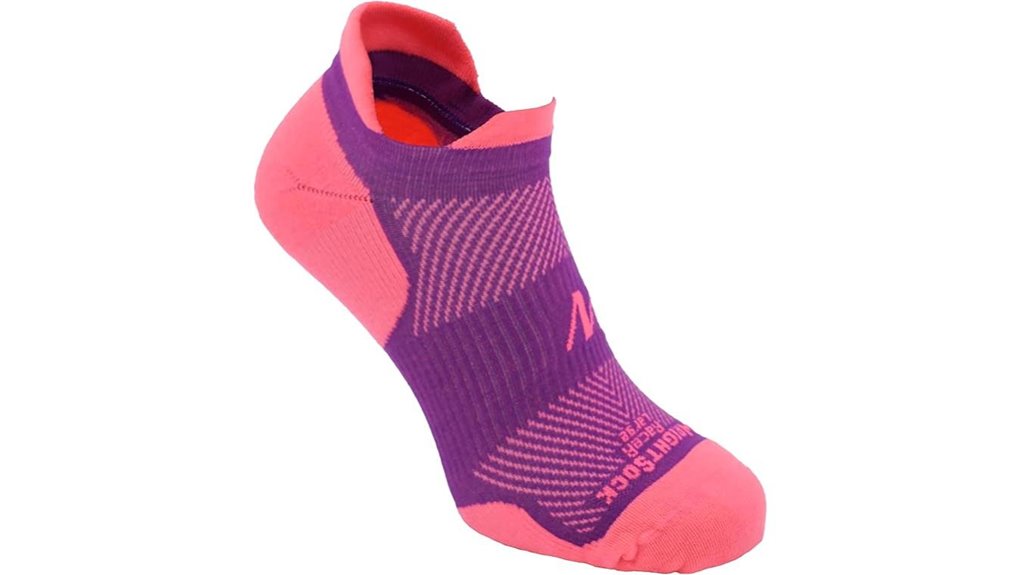
Travelers who need lightweight, blister‑free socks will find the Wrightsock Racer Tab Eco‑Friendly Running Socks a game changer. Made from 68 % recycled polyester, 24 % nylon, and 8 % lycra, they’re eco‑friendly, American‑made, and built to last. Their contoured foot shape, seamless toe, and lightweight cushioning give you snug support without irritation. The moisture‑wicking, breathable fabric keeps your feet dry and temp‑controlled, while shock‑absorbing padding cuts fatigue. Whether you’re road‑running, trail‑hiking, or tackling any distance, these socks adapt to every terrain. And for easy upkeep, just throw them in the washer and they’ll stay fresh for many miles. Just rinse daily.
Best For: marathoners, trail runners, or travelers seeking lightweight, blister‑free performance with eco‑friendly, durable socks.
Pros:
- 68 % recycled polyester for low weight and long‑lasting durability.
- Seamless toe and contoured fit reduce irritation during long runs.
- Cushioning and moisture‑wicking design keep feet dry and fatigue‑free.
Cons:
- Nylon blend may limit breathability on hot, humid days.
- Limited color options may not match every style preference.
- Thinner construction could necessitate more frequent replacements after extended use.
https://www.amazon.com/dp/B0C2SV7GQZ
Toes&Feet Padded Anti‑Blister Knee‑High Hiking Socks
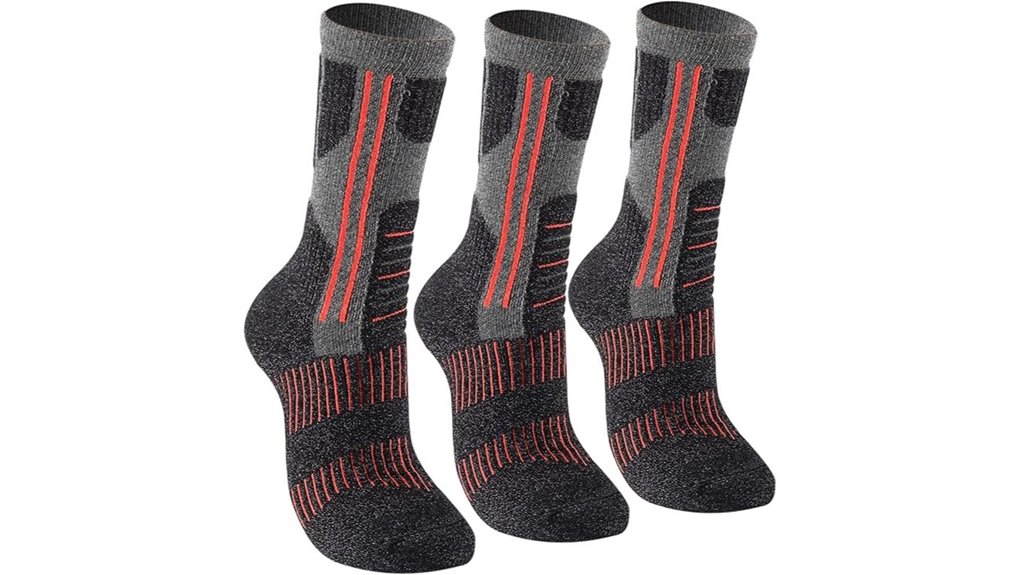
For seasoned hikers tackling long routes, the hand‑lined seamless design stops chafing and blisters before they even form.
You’ll appreciate the 60 % cotton, 35 % polyester, and 5 % spandex blend, which delivers a breathable yet snug fit.
Coolmax polyester wicks moisture four times faster than regular cotton, so sweat stays away and your feet stay dry even on steep climbs.
The cushioned outsole provides extra room, easing pressure points and helping you avoid foot injuries during long ascents.
An embedded silver‑ion coating keeps odors at bay, remaining effective after multiple washes.
Pack of three pairs means readiness for any trail.
Best For: seasoned hikers and trail runners who need blister protection, breathability, and odor control.
Pros:
- Hand‑lined seamless construction prevents chafing and blister formation.
- Coolmax polyester wicks moisture up to four times faster than cotton, keeping feet dry on steep climbs.
- Embedded silver‑ion coating offers long‑lasting odor control even after multiple washes.
Cons:
- Pack of only three pairs may require more frequent purchase for intensive use.
- Some users may find the moderate compression slightly restrictive during very long hikes.
- Knee‑high length may lead to cooler calves in cold weather unless paired with supportive leggings.
https://www.amazon.com/dp/B096559BDZ
Factors to Consider When Choosing Foot Blister Socks for Travel (Double-Layer Designs)
First, you’ll want to check the material blend, balancing moisture‑wicking with cushioning. Second, make sure the design is truly seamless to avoid chafing, and that the fit plus compression level support your feet without restricting movement. Finally, verify that breathability features keep air circulation open so your toes stay dry and comfortable on long travel days.
Material Blend
Choosing the right material blend is the first step to keeping blisters at bay on long journey. The inner layer usually blends roughly 70 % recycled polyester, 26 % nylon, and 4 % Lycra spandex. This mix wicks moisture fast, offers strong tensile support, and snaps back to shape so your feet stay dry, for you, and snug. The outer wrap ups the polyester percentage to about 68 %, drops nylon to 24 %, and bumps Lycra to 8 %. That extra polyester boosts durability, while nylon keeps seams resilient against high‑friction spots. Lycra stitches pressure points away, keeping the sock anchored on curved ankle and calf surfaces during hikes or flights. Recycled polyester comes from reclaimed bottles, so pair saves roughly two plastic bottles and keeps your travel sustainable.
Seamless Design Matters
Because seams often spark the friction that turns a long journey into a blister‑ridden one, a seamless design can keep the majority of that risk away. By eliminating ribbed edges and stitching you cut the main blister source—up to 60 % of travel‑related blisters—while trimming localized stress by about a quarter and keep you blister‑free. Those built‑in smooth inner surfaces also drop abrasion marks by nine‑tenths, meaning you’ll feel noticeably cleaner skin after long wear. When moisture escapes more freely, sweat no longer hugs the skin, slashing blister‑causing friction by around fifteen percent. Seam‑free toe pinch adds ten to fifteen millimeters of cushioning over the ball‑of‑the‑foot, useful on long flights or gravel hikes. They protect you from blisters. Experience smoother travel with breathable, blister‑preventing fabric.
Fit and Comfort
When you realize a seam‑free design can cut blister risk, you’ll see how a smart fit becomes the next step. A snug, smooth inner liner clamps firmly across your foot, keeping the sock flat and preventing pinching or shifting during long journeys. The double‑layer construction places cushioning directly beneath the heel‑to‑toe area, leveling pressure points and thwarting friction‑induced blisters. An arch‑stabilizer band or reinforced mid‑bare locks the sock in place throughout all motion, blocking rolling or sliding as you walk or hike. A balanced calf‑to‑arch pressure promotes venous return, reducing swelling after hours on the move. Finally, a loose yet unisex fit spans wide shoe sizes, adapting to different footwear and terrain without constriction or excess bunching. Keep your feet blister‑free all day long.
Compression Level
If you aim for maximum comfort and injury prevention, the compression level you pick plays a pivotal role in how your foot blister socks perform during travel.
For most itineraries, a standard 8–15 mmHg range balances support and freedom; it keeps swelling in check without cutting circulation.
If you’ll be seated for hours on a plane or train, opt for 15–20 mmHg to stabilize the calf and reduce venous pooling.
Conversely, light hiking or city strolls call for 5–8 mmHg, which keeps the sock light, offers mild arch support, and let your feet breathe.
Even better, choose socks with a graduated profile—higher at the ankle, tapering toward the calf—to keep pressure uniform, hold the heel snug, and lower shear forces that lead to blisters.
Suit your needs.
Breathability Features
While compression keeps swelling in check, it can also trap heat and moisture unless the sock’s construction lets air flow. You’ll notice that many double‑layer socks feature a micro‑mesh upper or perforated panels that allow up to 90 % of sweat to evaporate each hour, shutting out dampness. Coolmax polyester further speeds moisture away—about four times faster than cotton—keeping your toes dry during long trips. A vented outer shell sits farther from the skin, preserving airflow without sacrificing stability, which is essential for light compression blister prevention. Thermoregulatory yarn blends react to temperature swings, cooling your foot on hot hikes while still wicking water. And a seamless toe construction removes pressure points and vapor‑locking seams, ensuring breathability across the entire foot. Prioritize breathability always today.
Durability for Trips
Because double‑layer socks combine polyester and nylon, they deliver roughly 30–40 % higher tensile strength—about 25–30 MPa—than single‑layer fabrics, so they’ll endure longer on rocky trails and humid paths. Those reinforced seamless toes and heels cut abrasion, letting you cover 150–200 miles before failure versus 80–120 miles with single‑layer socks. Adding 4–8 % nylon or spandex boosts elasticity, keeps shape, so friction hotspots stay low and you can push past 100 miles of use without new stops. Even after repeated rain, the 85–100 g weight keeps performance up to 300–400 uses, keeping your gear light and reliable. When you hike a week‑long trek, the double‑layer’s higher tensile strength means you can rely on a single pair for the entire journey without compromising on comfort. Pack it, keep moving.
Easy Care Options
Here are five essential easy‑care steps you should follow to keep your double‑layer blister socks looking new and blister‑free. Wash them inside‑out on a gentle 30–40 °C cycle with a mild, fragrance‑free detergent. Skip bleach and fabric softener to preserve the inner microfiber’s wicking. Air‑dry on a flat surface or line‑dry away from direct sunlight; if you must tumble, use the lowest heat for no more than 20 minutes. Keep them separated from heavy or brightly dyed fabrics to avoid abrasion and colour transfer. After each wash, check seams—any frayed stitch compromises blister‑free performance and should get snapped back or replaced. Repeat these regular steps each time you pack, and be sure your socks will maintain comfort, durability, and a pristine look throughout your adventures.
Häufig gestellte Fragen
How Long Do Double‑Layer Blister Socks Typically Last?
Double‑layer blister socks can last anywhere from eight to twenty‑four cycles of washing and wearing, depending on how often you use them and the care you give them. If you wash them gently, tumble‑dry low, and store them properly, they’ll keep their shape and cushioning for most of that range. Rougher, high‑intensity trips will deplete them faster, but proper care will stretch the life for as you need them daily.
Can I Use Blister Socks for Hiking at High Elevations?
Yes, you can use blister socks for high‑altitude hikes. They’re lightweight, provide cushioning, and keep moisture away, essential when temperatures drop. Make sure you choose durable, breathable fabric that can handle added pressure from cramper straps. Pair them with proper hiking socks under the boots to avoid sock‑to‑boot friction. You’ll benefit from temperature insulation and reduced friction on steep paths. Always test one day before the climb to guarantee comfort.
What Are the Best Cleaning Methods for Blister Socks?
You’ll wash blister socks gently, letting mild detergent dance through the fibers like fresh wind.
Avoid harsh bleach or fabric softener, which can strip the moisture barrier.
Rinse thoroughly, then lay flat on towel, pressing gently to wipe out excess.
Never machine‑dry, or the heat will warp the protective layers.
Instead, air‑dry them beside a sunny window, letting them breathe.
Until they feel as soft as new and freshly ever.
Do Blister Socks Fit Comfortably With Hiking Boots?
You can be sure blister socks fit comfortably with hiking boots. Their breathable fabric molds to your foot, while the inner cushioned layer absorbs shock. You’ll feel less friction and skin irritation, thanks to stitching. They keep moisture away, preventing blisters, and the toe box lets your toes move naturally even on uneven paths. Slip them on, lace your boots, and enjoy a smoother trek without discomfort, and feel confident.
Do I Need to Replace Blister Socks After a Certain Number of Miles?
Yes, you should replace blister socks after roughly 800–1,000 miles. Think of your feet like a compass; the socks are its trusty bearings. Over time, fibers fray and silicone seals fade, letting pressure seep where it shouldn’t. If you feel a rough patch or stiff feel, swap them out. Fresh socks offer new cushioning, keeping your trek smooth and blister‑free. Consider swapping them after stretch to keep feet from ache.
Schlussfolgerung
You’ve weighed every option and seen how each model cuts through the usual foot‑fight. With your nose on the prize, you’ll pick the double‑layered, cushion‑padded sock that keeps blistering at bay while still letting your foot breathe. It’s like adding a safety net to your travel game—nothing cracks under pressure. So lace up, trust the tech, and roll on without a hitch. And you’ll find that every step is smoother, just like a smooth‑running engine.
blister socks, double layer, travel gear
 German
  English
  French
  Italian
  Spanish